

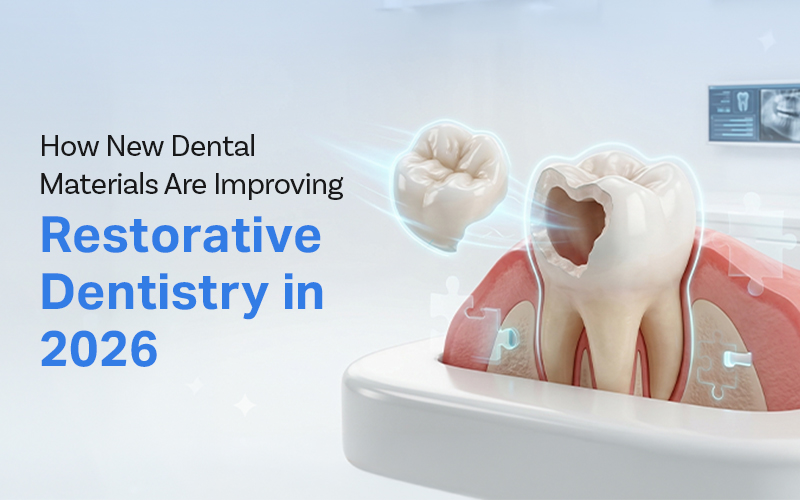
There was a time when your dental fillings were easily seen. Fillings looked metallic, crowns occasionally felt bulky, and many patients silently worried how long their dental work would actually last. Dentistry has changed a lot since then and honestly, patients notice the difference almost immediately now.
One of the biggest shifts in Restorative dentistry 2026 is not just better equipment or faster procedures. It’s the materials themselves. Modern restorations are getting stronger, more natural-looking and surprisingly comfortable than old-fashioned ones. At clinics such as Matrix Dental & Skin Lounge, these advances are assisting people in restoring teeth that have been damaged without making treatment seem too clinical or artificial.
Dental Restorations Don’t Look “Fake” Anymore
A lot of people still imagine crowns and fillings the way they looked years ago — obvious, shiny, and easy to notice while smiling.
That’s no longer the case. The more modern new ceramics and composite materials in use today are engineered to blend seamlessly with natural teeth. Dentists can now better match shades, shape restorations with more precision, and create results that feel far less noticeable.
For patients, this matters more than people think. Someone getting a front tooth repaired doesn’t just want strength. They also want confidence while speaking, smiling, or laughing without feeling self-conscious. That balance between durability and appearance is where many of the new dental innovations 2026 are making the biggest difference.
Stronger Materials Mean Longer-Lasting Results
One common concern patients have before restorative treatment is simple:
“How long will this actually last?”
Fair question, fairly. Older materials sometimes wore down faster under pressure, especially for people who grind their teeth or chew heavily on one side. But newer restorative materials are built differently.
Modern ceramics and advanced resin composites are:
- More resistant to cracking
- Better at handling chewing pressure
- Less likely to stain quickly
- Designed to preserve more natural tooth structure
Some restorations today feel so natural that patients forget which tooth was treated in the first place. And that’s usually a good sign.
Digital Technology Is Changing the Experience Too
Another interesting shift happening alongside latest dental technology is the way restorations are planned and created. Digital scanning has reduced the need for uncomfortable traditional impressions in many cases. Instead of thick mould material sitting in the mouth, dentists can now capture highly accurate digital images within minutes.
This improves:
- Crown fitting accuracy
- Treatment planning
- Patient comfort
- Turnaround time for restorations
For patients, the experience simply feels smoother overall. And from the dentist’s perspective, precision matters because even small fitting issues can affect long-term comfort later.
Conservative Dentistry Is Becoming More Important
Something many people don’t realise is that modern restorative dentistry focuses heavily on saving as much natural tooth as possible. Years ago, larger portions of healthy tooth structure were often removed during treatment. Newer bonding materials now allow dentists to work more conservatively.
In simple terms, the treatment becomes less invasive while still remaining durable. This is one reason why Restorative dentistry 2026 feels more patient-friendly compared to older approaches. The goal is no longer just “repairing damage.” It’s preserving natural teeth for as long as possible.
Patients Today Expect Both Function and Aesthetics
People are far more aware of dental aesthetics now than they were earlier. Patients don’t only ask:
“Will this fix the problem?”
They also ask:
“Will it look natural?”
And they should.
Modern restorative procedures now combine:
- Strength
- Comfort
- Natural appearance
- Better biocompatibility
- Faster healing in some cases
That combination is exactly why restorative treatments have become much more predictable and reassuring for patients over the last few years.
Summary
The biggest improvement in modern dentistry may not even be visible immediately. It’s the overall experience patients walk away with. Treatments these days feel more exact, less intimidating, and much more personalised than before. Recent dental technologies and improved materials are allowing dentists to restore teeth in a way that seems both functional and natural at the same time.
At Matrix Dental & Skin Lounge, these advancements are helping patients receive restorations that don’t just repair damage temporarily, they support long-term oral health while still looking beautifully natural.
FAQs
1. Are modern dental fillings and crowns better than traditional ones?
Yes. Modern dental fillings and crowns are more durable, natural-looking, and designed to blend seamlessly with your teeth. They also offer better strength and long-term performance compared to older materials.
2. How long do modern dental restorations last?
With proper oral hygiene and regular dental check-ups, modern fillings, crowns, and other restorations can last for many years often 10 years or longer depending on the treatment and care.
3. Will my restored tooth look different from my natural teeth?
Not usually. Modern restorations are made to match the colour, shape and texture of your natural teeth, so they look natural and feel comfortable.
4. Are dental fillings or crowns painful to get?
Dental fillings and crowns are usually comfortable procedures. Dentists use local anaesthesia to minimise discomfort, and most patients return to normal activities soon after treatment.
5. How do I know if I need a filling or a dental crown?
If you have tooth decay, a cracked tooth, sensitivity, or pain while chewing, your dentist may recommend a filling or crown after an examination. The right treatment depends on how much of the tooth needs repair.